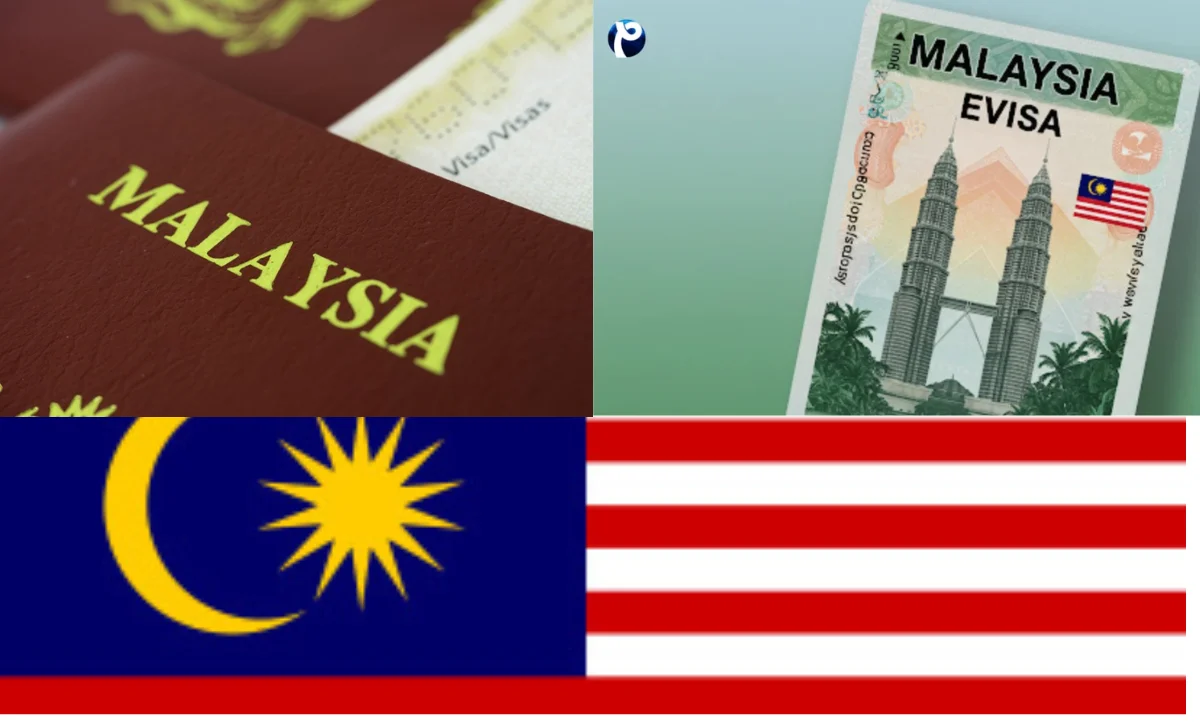
Malaysia has evolved into one of Southeast Asia’s strongest economic players—dynamic, multicultural, and rapidly expanding across technology, manufacturing, healthcare, tourism, and construction. As the country aims to strengthen its digital economy and infrastructure, the demand for skilled foreign workers in 2025 is higher than ever. While Malaysia prioritizes local talent, the government also recognizes that certain specialized roles can only be filled by global professionals. This has opened a clear pathway for international workers to pursue visa-sponsored employment in the country.
Malaysia offers a structured immigration system, competitive salaries relative to the region, a modern lifestyle, affordable living costs, and a safe environment. For many, it’s a gateway to long-term career growth in Asia while experiencing a culturally rich and diverse society. If you’re planning to work in Malaysia this year, understanding how visa sponsorship works, the employer requirements, job categories, and steps involved can make your journey smoother and more successful.
This complete 2025 guide provides all the details you need—from job categories that offer sponsorship to application procedures, eligibility criteria, salary expectations, required documents, and tips for increasing your chances of approval.
Table of Contents
- Overview of Malaysia’s Visa Sponsorship System
- Types of Work Visas in Malaysia (2025)
- Employment Pass (EP)
- Professional Visit Pass (PVP)
- Temporary Employment Pass (TEP)
- High-Demand Jobs That Offer Visa Sponsorship in Malaysia
- Eligibility Requirements for Foreign Workers
- Documents Required for a Visa-Sponsored Job
- How to Apply for Visa Sponsorship Jobs in Malaysia
- Employer Responsibilities in Sponsoring Foreign Workers
- Salary Expectations and Cost of Living
- Benefits of Working in Malaysia as a Foreigner
- Common Mistakes to Avoid
- Final Tips for Getting Hired in Malaysia (2025)
- Conclusion
1. Overview of Malaysia’s Visa Sponsorship System
Malaysia’s work visa system is overseen by the Immigration Department of Malaysia and the Expatriate Services Division (ESD). A foreign worker cannot legally work in Malaysia without an approved work pass. Unlike some countries where individuals can apply independently, Malaysian law requires that the employer must initiate and sponsor the visa application on behalf of the foreign worker.
The government prioritizes skilled roles, managerial positions, and technical expertise—particularly where qualified locals are not available. The employer must prove that hiring foreign talent is justified, and the worker meets the qualifications for that position.
2. Types of Work Visas in Malaysia (2025)
Malaysia issues several work visas depending on job type, duration, and skill level. Below are the most common options for foreign workers seeking sponsorship.
a. Employment Pass (EP)
The Employment Pass is designed for highly skilled professionals such as engineers, IT specialists, managers, healthcare workers, and finance experts.
Features:
- Valid for 1–5 years
- Renewable
- Requires a minimum salary (changes over time; employers must meet the current threshold)
- Allows dependents (spouse/children)
This is the most sought-after work visa for expatriates.
b. Professional Visit Pass (PVP)
The PVP is for foreigners temporarily working in Malaysia under:
- Training programs
- Short-term service agreements
- Secondments
Features:
- Valid for up to 12 months
- Does not usually allow dependents
- Not for permanent employment
c. Temporary Employment Pass (TEP)
Used for low- to mid-skilled jobs in sectors like:
- Agriculture
- Manufacturing
- Construction
- Domestic work
Features:
- Valid for up to 12 months, renewable
- Restricted to certain nationalities and industries
- Employers must prove labor shortages
3. High-Demand Jobs That Offer Visa Sponsorship in 2025
Malaysia’s labor market continues to expand, particularly in its digital and industrial sectors. Here are the most in-demand roles offering sponsorship:
a. Information Technology & Digital Economy
- Software engineers
- Cybersecurity specialists
- Data analysts
- IT auditors
- AI and machine-learning experts
b. Engineering & Technical Fields
- Mechanical and electrical engineers
- Civil and structural engineers
- Oil and gas specialists
- Automation technicians
c. Healthcare & Medical Professionals
- Doctors
- Nurses
- Radiographers
- Medical technicians
- Pharmacists
d. Manufacturing & Industrial Jobs
- Factory supervisors
- Machine operators
- Quality control professionals
e. Hospitality & Tourism
- Chefs
- Hotel managers
- Tour operators
f. Finance, Accounting & Business Services
- Accountants
- Auditors
- Financial analysts
- Business development managers
g. Education Sector
- International school teachers
- University lecturers
- Language tutors (especially English, Mandarin, and Arabic)
These sectors consistently seek skilled foreign workers due to talent shortages or expanding operations.
4. Eligibility Requirements for Foreign Workers
While specific requirements vary by visa type, general conditions include:
- A valid job offer from a Malaysian company
- Relevant educational qualifications (degree, diploma, or certified skills)
- Professional experience (2–5 years for most skilled roles)
- Passport with at least 18 months validity
- Clean medical and criminal records
- Age usually between 18–50 (varies by job sector)
The higher the skill level, the easier it is to secure sponsorship.
5. Documents Required for a Visa-Sponsored Job
Typical documentation includes:
- Passport copy
- Resume/CV
- Academic certificates (translated if needed)
- Professional licenses (if applicable)
- Employment contract or job offer letter
- Recent photographs
- Medical examination reports
- Employer’s supporting documents (submitted by company)
Additional documents may be requested depending on the sector.
6. How to Apply for Visa Sponsorship Jobs in Malaysia
Foreign workers cannot directly apply for the work visa themselves—the employer handles the official process. Here’s how the overall journey works:
Step 1: Search for jobs from Malaysian employers willing to sponsor visas
Look for companies that openly state “visa sponsorship available” or “foreigners encouraged to apply”.
Step 2: Attend interviews and receive a job offer
Employers may interview via video calls if the applicant is overseas.
Step 3: Employer applies for approval from the Expatriate Services Division (ESD)
This includes job verification, quota approvals (if required), and supporting documents.
Step 4: Work Visa Approval
Once approved, the worker will receive a Visa With Reference (VDR).
Step 5: Enter Malaysia and endorse the work permit
The worker must enter Malaysia legally and complete biometric registration.
Step 6: Start working
After permit endorsement, the foreign employee can begin work immediately.
7. Employer Responsibilities in Sponsoring Foreign Workers
Companies must comply with strict regulations, including:
- Applying for approval before hiring foreigners
- Proving local talent is unavailable for the role
- Paying the minimum salary for expatriates
- Providing medical insurance
- Covering visa processing costs
- Ensuring proper working conditions and legal employment
Non-compliance can lead to penalties or revocation of hiring privileges.
8. Salary Expectations and Cost of Living
Salary ranges vary by profession:
| Job Category | Expected Monthly Salary (Approx.) |
|---|---|
| IT & Software | Medium-High |
| Engineering | Medium-High |
| Healthcare | Medium-High |
| Finance | Medium-High |
| Education | Medium |
| Hospitality | Low-Medium |
| Manufacturing | Low-Medium |
Cost of living in Malaysia is considered affordable compared to Singapore or Western countries. Major expenses include housing and transportation.
9. Benefits of Working in Malaysia as a Foreigner
- Multicultural society (Malay, Chinese, Indian, international communities)
- English widely spoken
- Modern lifestyle at reasonable cost
- Safe, clean cities
- Opportunities for long-term career growth
- Strategic location for traveling across Asia
- Warm tropical climate
Malaysia is especially attractive for workers seeking stability and comfort.
10. Common Mistakes to Avoid
- Applying without required qualifications
- Not verifying if the employer is registered with ESD
- Accepting job offers that sound unrealistic
- Working on a tourist visa (strictly illegal)
- Submitting incomplete documents
- Misunderstanding salary or contract terms
Avoid these mistakes to prevent delays or visa rejection.
11. Final Tips for Getting Hired in Malaysia (2025)
- Highlight specialized skills—Malaysia prioritizes niche expertise
- Customize your CV for each application
- Gain industry certifications (especially in IT and engineering)
- Stay professional and responsive during interviews
- Be prepared to negotiate your salary
- Learn some basic Malay phrases (a strong advantage)
12. Conclusion
Malaysia remains one of Asia’s most promising destinations for foreign professionals seeking visa-sponsored employment in 2025. Whether you’re a highly skilled expert or a mid-level worker, opportunities exist across many high-growth industries—especially technology, engineering, health, education, and tourism. With the right qualifications, preparation, and understanding of the visa process, you can build a successful career while enjoying the cultural richness and affordability Malaysia offers.
Understanding the visa system, employer expectations, job requirements, and application process will significantly improve your chances of securing your dream job in Malaysia. Use this guide as your starting point, prepare well, and step confidently into your Malaysian career journey.